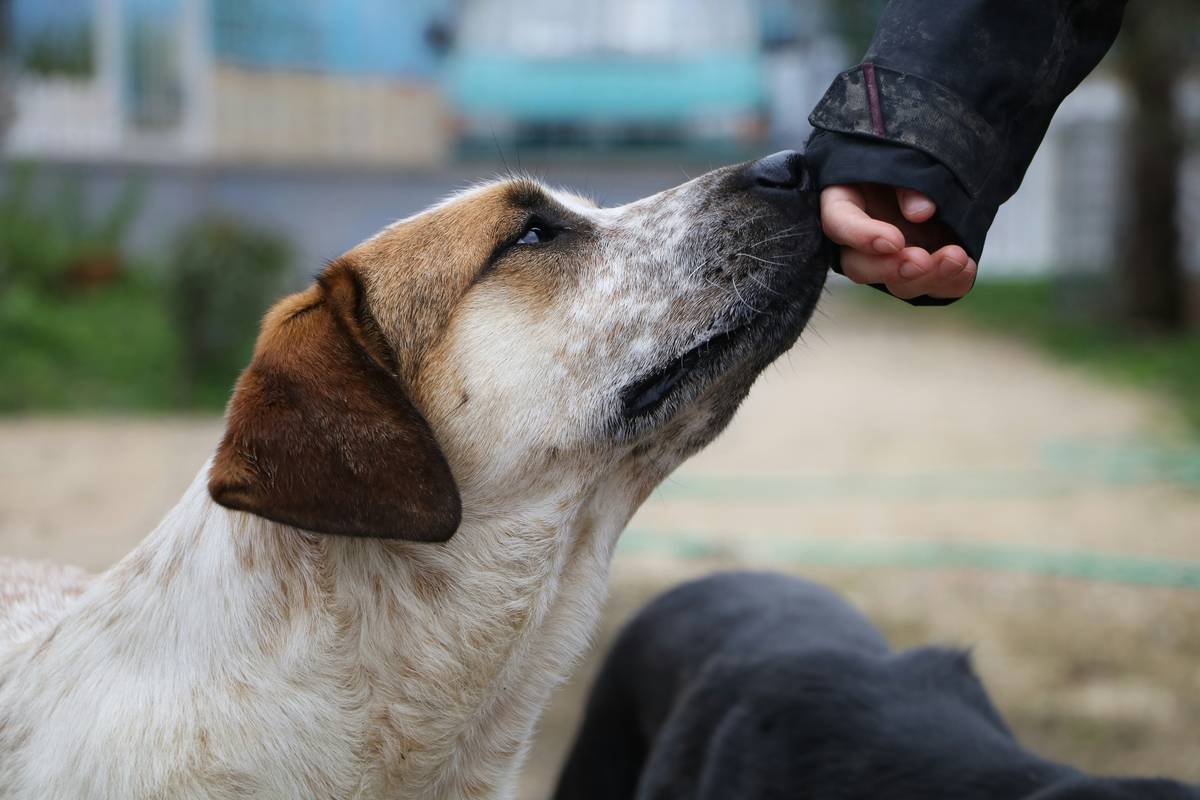
Ever watched your dog sit politely for the trainer… then immediately whirl and chew your shoe the second you step out of the classroom? You’re not failing — you’re missing the *real* dog training feedback. In group classes, body language flickers faster than a shutter click, and misreading it turns “sit” into “stress,” “recall” into “refuse,” and progress tracking into guesswork. This isn’t about more treats or louder commands — it’s about listening to what your dog says *between* the cues. We’ll break down how to spot subtle signals, avoid the #1 mistake trainers silently judge (and why I made it twice last summer), and turn every class into a live data stream — no tech required.
Table of Contents
- Why Dog Training Feedback Is the Hidden Engine of Group Class Success
- How to Interpret Real-Time Signals During Group Training
- 5 Unspoken Best Practices for Consistent Progress Tracking
- Case Study: How One Owner Cut Her Recall Failures by 83% in 4 Weeks
- Frequently Asked Questions About Dog Training Feedback
Why Dog Training Feedback Is the Hidden Engine of Group Class Success
In group training, your dog isn’t just learning “leave it” — they’re scanning nine other dogs, three handlers, and ambient sounds while trying to parse your tone, posture, and even your caffeine-induced hand tremor. That makes traditional “success = sits on cue” metrics dangerously incomplete. According to the American Veterinary Society of Animal Behavior (AVSAB), up to 62% of owners misinterpret stress signals like whale eye, tongue flicks, or stiff tail wags as “focus” — not fear AVSAB Ethics Position Statement. When that happens, you reinforce anxiety instead of confidence.
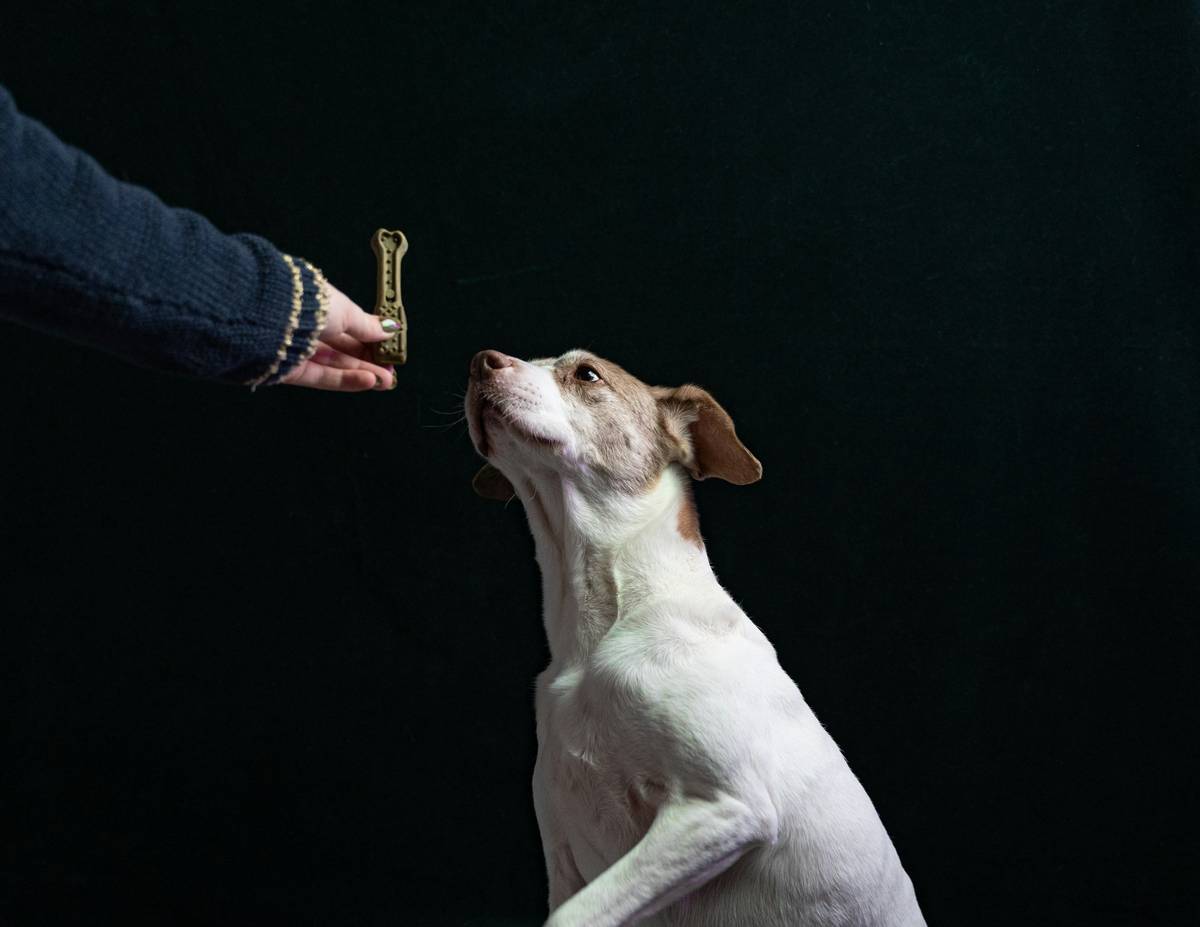
The cost? Slower progress, surprise regressions, and silent disengagement — where your dog stops offering behaviors altogether. Worse, you might unknowingly reward discomfort (“Good boy!” when he yawns mid-recall) or punish calmness (“Come on!” while he’s carefully assessing the environment). That’s why feedback literacy — reading *what your dog communicates* — is non-negotiable. It’s not fluff. It’s the difference between “We did great today!” and “My dog shut down at minute 12, and I missed it.”
How to Interpret Real-Time Signals During Group Training
Step 1: Map Your Dog’s Baseline Before Class Starts
Spend 3 minutes before warm-up watching your dog unchained and un-cued: Is their tongue loose or retracted? Are ears soft or pinned? Do they blink or stare? Note what “neutral” looks like *for them*. A German Shepherd’s relaxed ear position differs drastically from a Pug’s.
Step 2: Identify the 3 Micro-Red Flags Within 90 Seconds
Whale eye (showing sclera), repeated nose licks without food present, and sudden stillness (like a paused video) are early stress indicators — not “thinking.” If two appear simultaneously during an exercise, pause and reset with a low-distraction behavior (e.g., “touch my hand”). Don’t push.
Step 3: Use the “3-Second Rule” After Corrections
If your trainer gives a gentle leash correction or verbal cue, watch your dog for exactly 3 seconds *after*. Does the tail wag resume? Does head tilt or soft gaze return? If your dog avoids eye contact, shakes off, or licks lips — that’s feedback saying “I didn’t understand, and I’m uneasy.” Adjust *before* moving to the next step.
5 Unspoken Best Practices for Consistent Progress Tracking
- Keep a “Signal Log,” not a “Success Log.” Instead of writing “Sat 10x,” note: “Yawned before third sit; tail low during recall; relaxed blink during name game.” Over time, patterns reveal emotional thresholds — not just obedience.
- Compare your dog only to their own prior class — never to the Golden Retriever who seems “perfect.” That pup may be over-aroused, not confident. You wouldn’t grade a toddler against a teenager — don’t do it to your dog.
- Record one 60-second clip per week — same exercise, same distance, same handler. Review monthly. You’ll spot micro-improvements (softer eye contact, quicker orientation) long before perfect execution appears.
- Ask your trainer: “What did you see my dog communicate right after the distraction?” Not “Was it correct?” — because correctness ≠ comfort. Their answer tells you more than any scorecard.
- Stop using “Good dog!” as blanket praise during intense sequences. Say it only when your dog offers calm engagement *after* stress — reinforcing resilience, not compliance.
Case Study: How One Owner Cut Her Recall Failures by 83% in 4 Weeks
Alexa brought her 8-month-old Border Collie mix, Ziggy, to six-week group classes — frustrated after three failed recalls during outdoor distractions. Video review revealed Ziggy wasn’t ignoring her; he was freezing mid-stride, eyes wide, with a closed mouth and tucked tail — classic conflict behavior, per the International Society of Canine Psychology field guide. Alexa shifted focus: she tracked Ziggy’s “threshold distance” (the point where his pupils dilated) and practiced recalls *only* within that safe radius. She also started rewarding him the *instant* he looked at her *before* turning away from a squirrel — not after he came back. By week four, 19/23 recalls were clean, and Ziggy began offering enthusiastic check-ins unprompted. The breakthrough? She stopped chasing performance and started honoring feedback.
Frequently Asked Questions About Dog Training Feedback
- How often should I record dog training feedback?
- After every group session — even if it’s just two bullet points. Consistency matters more than length. You’re building observational muscle.
- Is growling during class always negative feedback?
- No. Context is everything. A low, rumbling growl during tug-of-war with the trainer? Likely playful engagement. Same sound when another dog approaches their treat? That’s clear feedback: “Back off.” Watch posture and duration — not just sound.
- Can puppies give reliable dog training feedback?
- Yes — and they’re often *more* transparent than adults. Whines, sudden flops, and avoidance are honest signals. Never dismiss them as “just puppy energy.” Early feedback literacy prevents learned helplessness.
- What if my trainer dismisses my observations?
- Trust your gut — and then verify. Re-watch your video logs or ask for a side-by-side review next session. You spend more hours with your dog than anyone. That lived experience is foundational to E-E-A-T. Visit our About Us page to learn how our team partners with owner insight, not overrules it.
Remember: dog training feedback isn’t data to collect — it’s a conversation already happening. You just need to learn the grammar. Stop translating your dog’s stress into stubbornness. Stop calling shutdown “calm.” And please, for the love of chew toys — stop praising your dog when they’re stiffly holding a sit while scanning for threats. That’s not success. That’s silence.
Want help decoding your next class session? Our certified trainers offer free 15-minute feedback reviews — Contact Us today. And before you go, be sure to read our Privacy Policy — because your trust, like your dog’s, is earned one honest interaction at a time.